Payday loan laws and your rights in Ontario
Ontario has some of the strongest payday lending protections in North America. These are the rules that protect you, and the rights you can rely on if something goes wrong.
The law that governs payday loans
Payday lending in Ontario is governed by the Payday Loans Act, 2008. The Act sets the maximum cost of borrowing, requires lenders to disclose the full cost before a loan is signed, prohibits rollovers, and gives borrowers a set of enforceable rights.
Who regulates lenders
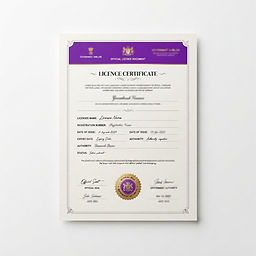
The Ministry of Public and Business Service Delivery and Procurement licenses payday lenders in the province. A lender operating legally in Ontario must be licensed, and must display its licence information. If a lender is not licensed, it is not permitted to lend to Ontario residents.
Your rights as an Ontario borrower
- A written agreement. You must receive a written loan agreement setting out the amount, the term, the cost of borrowing, and the total you will repay.
- Full cost disclosure. The total cost of the loan must be disclosed clearly before you sign — not buried in fine print.
- A cooling-off period. You can cancel the loan agreement within the cooling-off period without penalty, and any amount you have already paid must be returned to you.
- No rollovers. A lender cannot roll over or extend your loan in a way that adds cost.
- A free extended payment plan. If you cannot repay on the due date, you are entitled to an extended payment plan at no additional cost.
- No illegal charges. A lender may not charge anything beyond the permitted cost of borrowing — no application fees, administration fees, or early repayment penalties.
The cost ceiling
The maximum cost of borrowing is $14 for every $100 borrowed. A single payday loan cannot exceed $1,500, and cannot exceed 50% of your expected net pay for the term of the loan. See our guide to costs and fees for worked examples.
If you can't repay on your due date
This is the right most borrowers never use — and it is worth knowing about in advance. Ontario law prohibits rollovers that add cost, and instead gives you the right to a free extended payment plan. In practice that means you can ask to spread the repayment over a longer period without paying more.
The key is timing. Contact your lender before the due date. Once a payment is missed, the cost of borrowing can increase and the debt may be sent to collections, which can affect your credit.
Making a complaint
- Complain to the lender first. Most issues — a payment applied incorrectly, a charge you did not expect — are resolved directly and quickly.
- Escalate to the Ministry. If the lender does not resolve it, contact the Ministry of Public and Business Service Delivery and Procurement, which licenses payday lenders in the province.
- Keep records. Keep your loan agreement, your bank statements, and any written correspondence about your complaint.
Warning signs of an illegal lender
- No licence information displayed.
- Charges above $14 per $100, or fees on top of the cost of borrowing.
- An offer to roll the loan over for an extra fee.
- Pressure to sign without seeing the total cost of repayment.
- Requests for payment by gift card, cryptocurrency, or e-transfer to a personal account.